Cilka asks Schwarzhuber to free Lale
The Tattooist of AuschwitzCilka asks Schwarzhuber to free Lale is a pivotal act of intercession in The Tattooist of Auschwitz, a moment when a prisoner's quiet, compromised influence briefly bends the camp's brutal machinery. After Lale Sokolov is arrested and thrown into Block 11, the punishment block, it is the diminutive Cilka who steps forward to secure his release, leveraging her relationship with the SS officer Schwarzhuber. The event reveals the strange, morally fraught currency of survival in Auschwitz, where even a gesture of mercy is entangled with the deepest forms of collaboration.
Background and the Arrest
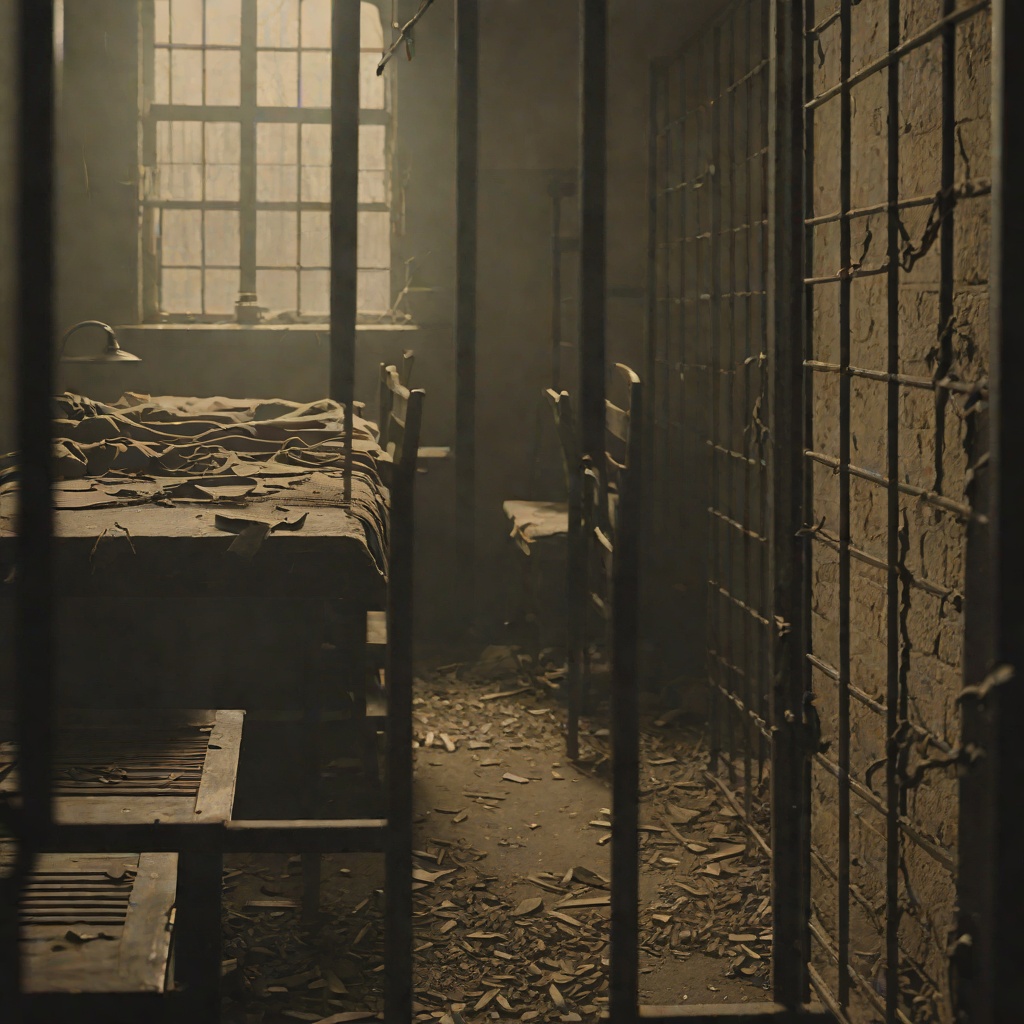
Lale's arrest follows his black-market smuggling operation, which had made him a target. He is taken by truck and thrown into a small room in Block 11, a place whose reputation is well known. The punishment blocks, Block 10 and Block 11, stand behind the Black Wall, the execution wall, and Lale expects to be taken there after being tortured. For two days he sits in the cell, the only light coming through a crack under the door, listening to the cries and screams of others while reliving every moment he has spent with Gita. On the third day, he is blinded by sunlight as a large man blocks the doorway and hands him a bowl of liquid; as his eyes adjust, he recognizes the man as Jakub.
Cilka's Intercession
Cilka's approach to Schwarzhuber is marked by a rare, tentative boldness. She asks him, "Are you all right?" fearing he will be suspicious of such an intimate question. When he responds with a softness in his voice she has not heard before, she presses on, reminding him, "I have never said no to anything for you, have I? And I've never asked you for anything before?" He acknowledges this is true, and she makes her request: "Can I ask for one thing?" The scene is charged with the unspoken history of their relationship, one built on Cilka's compliance and Schwarzhuber's power, and her single request carries the weight of all that has been exchanged between them.
The Release
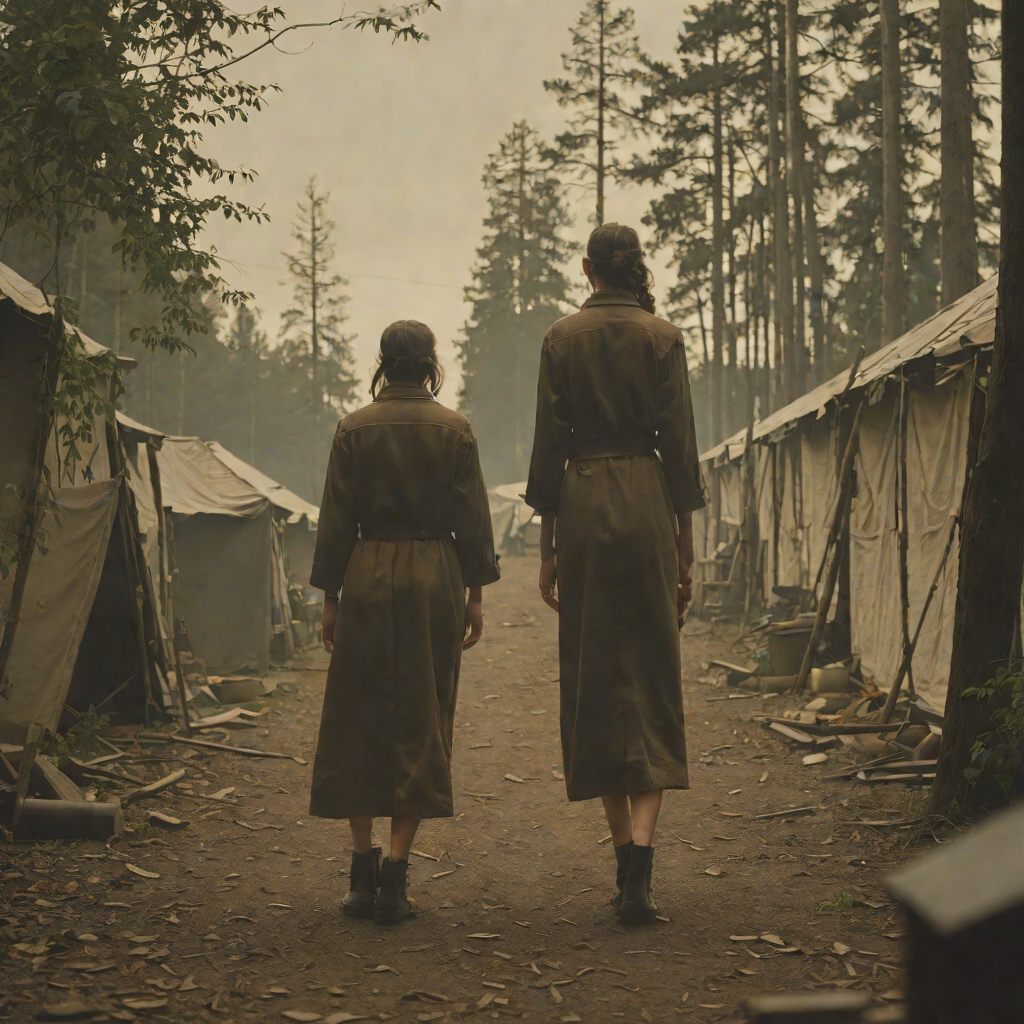
Lale makes it through the next day, helping to carry one of the murdered men back, hating himself for having thoughts only of the pain it causes him. As they enter the camp, his attention is caught by two people standing just beyond the fence that separates the prisoners' blocks from the staff quarters: the diminutive Cilka stands beside Schwarzhuber. A guard on Lale's side of the fence is talking to them. Lale stops, slackening his grip on the corpse, which causes the prisoner at the other end of the body to stumble and fall. Cilka peers back at him before saying something to Schwarzhuber, who nods and points to Lale. The guard approaches Lale and tells him, "Come with me." Lale rests the legs he's been carrying on the ground and looks for the first time at the dead man's face; his compassion returns, and he bows his head at this tragic end to yet another life. The guard instructs him, "I'm instructed to take you to your old room in the Gypsy camp." Lale replies, "I know the way," and the guard leaves him.
Significance and Moral Complexity
The event is a stark illustration of the moral compromises that survival in Auschwitz demanded. Cilka's ability to free Lale is predicated entirely on her relationship with Schwarzhuber, a relationship that places her in a deeply compromised position. The narrative does not shy away from this complexity; it presents Cilka's act as both a heroic intervention and a symptom of the camp's corrupting power structures. Lale himself is haunted by the fear that he and Gita might be seen as Nazi collaborators, a burden he carries for more than fifty years. The intercession thus becomes a mirror of Lale's own dilemma: the choice to participate in the destruction of their people in order to survive, hoping not to be judged a perpetrator or a collaborator. Cilka's request, born of her own compromised position, is a rare act of agency that momentarily restores a measure of humanity to a system designed to strip it away.